
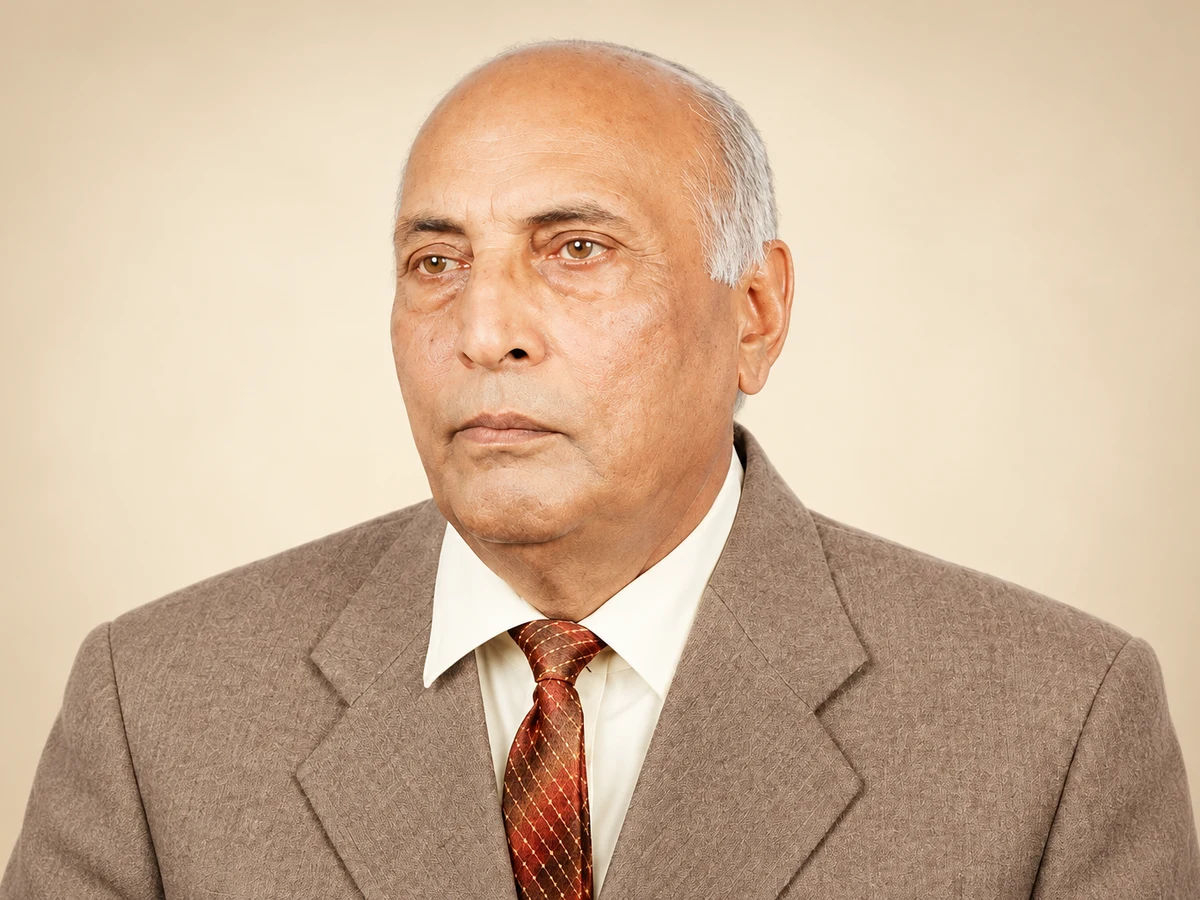
A pillar of the Kamboj community
Nanak Chand Kamboj - The True Kamboj Community Worker
Information about Nanak Chand Kamboj - Kamboj Community Worker
Read his profileJourney through millennia of history, from ancient Central Asian kingdoms to the vibrant global community of today. Explore the heritage, heroes, and culture of one of the world's most storied peoples.
Three ways into the Kamboj Society archive.
Start with the origins and identity of the Kamboja people, from the ancient Kamboja kingdom to the community of today.
Read the introduction
Search 248 surname and subcaste records with Hindi and Punjabi names and the 52 Bawan and 84 Chaurasi groupings.
Search surnames
Browse articles on the people, history and culture of the Kamboj community.
Browse articlesLoading articles...
Celebrating the legendary heroes, warriors, and visionaries who shaped Kamboj heritage

शहीद उधम सिंह जी

भाई मणी सिंह जी

भाई दयाला जी

बाबा भुम्मन शाह जी

महारानी कृपी जी

महाराजा धर्मपाल

महाराजा सुदक्षिण

महाराजा चन्द्रवरमा

राजकूमार पर्पक्ष / परपक्ष

महारानी भानुमती

महाराजा कामथ

महाराजा कुरुश

शहबाज खान कंबोह

सद्र-ए-सदुर शेख गदाई कंबोह

सरदार बहादुर राम सिंह

काम्बोज महाराजा सरिन्द्र वरमन

काम्बोज राजकुमार विष्णुपलिट

जत्थेदार भाई टहल सिंह धंजू
Key chapters in the history of the Kamboja community.
Find latest happenings in the Kamboja community.
Loading articles...
The Kamboj Society is the global voice for the Kamboja community. We are dedicated to researching, preserving, and promoting our rich history while fostering unity and progress for future generations.
Documenting our ancient lineage from the Vedas to today.
Connecting Kambojas across India and the diaspora.
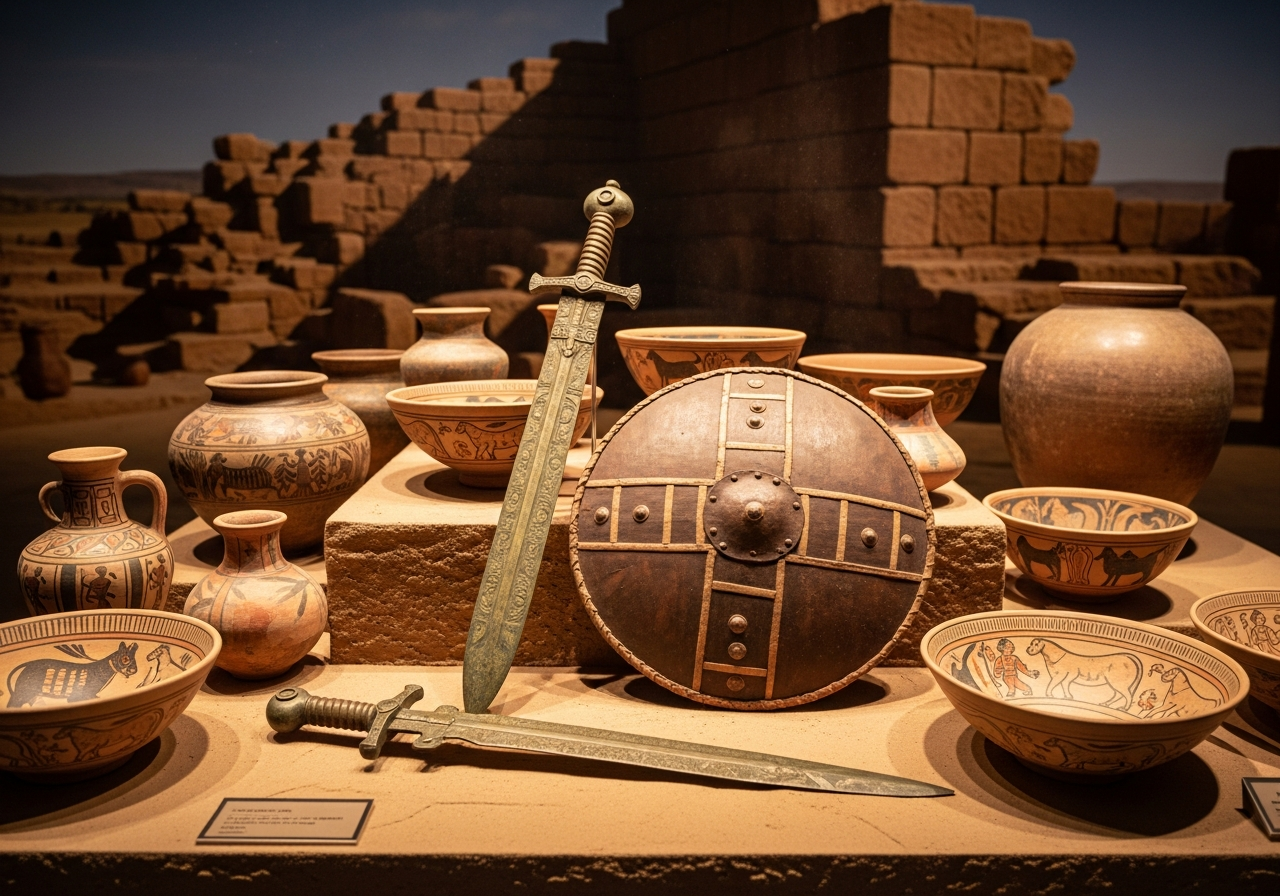
Connect with Kamboj and Kamboh families across the world through a dedicated online community and mobile app – the true Voice of Kambojas.
Explore authentic research on ancient Kamboja warriors, kingdoms and modern Kamboj heroes who contributed to India’s freedom and society.
Stay updated with community news, opinion pieces, events and announcements about Kamboj people around the globe.
A pillar of the Kamboj community
Information about Nanak Chand Kamboj - Kamboj Community Worker
Read his profile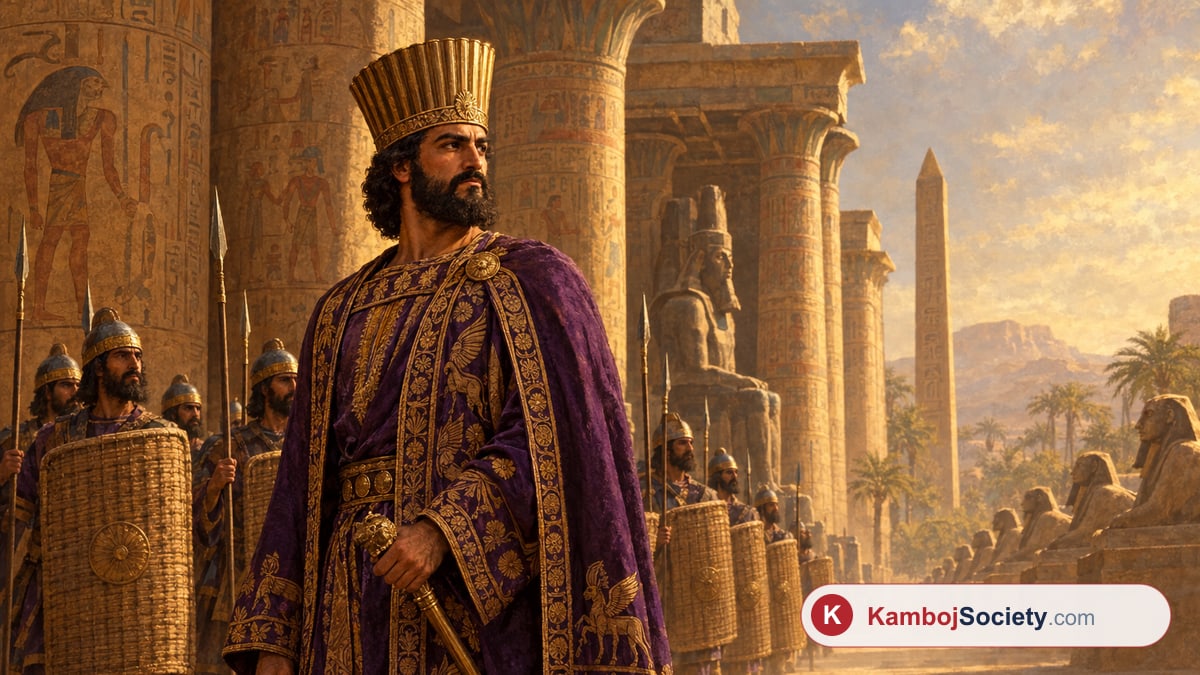
Cambyses II or Kambūjiya (530-522 BC), son of Cyrus the Great, conquered Egypt for the Achaemenid Empire. This article sets out his reign and the debate over whether his name is linked to the Kamboja.
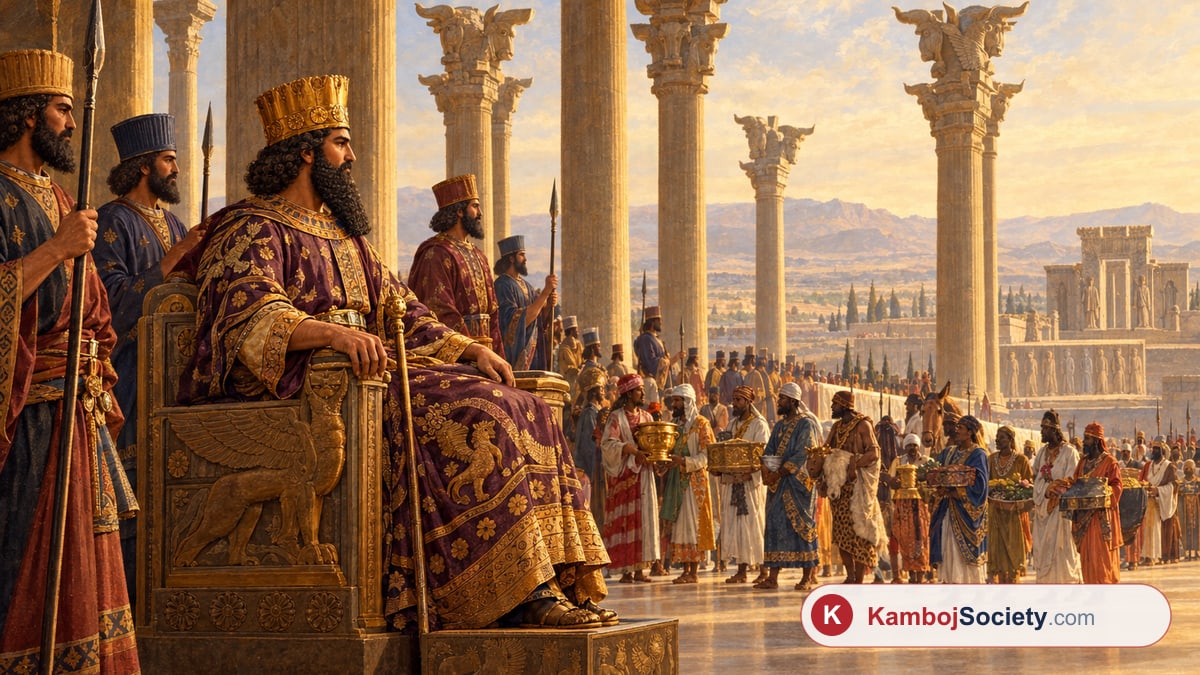
Darius I (Dārayavauš, 522-486 BC) organised the Achaemenid Empire into satrapies, recorded his rise on the Behistun inscription and ruled the Indus borderlands. The article reviews what the sources say about the peoples of the north-west of India and how this site connects them with the Kambojas.
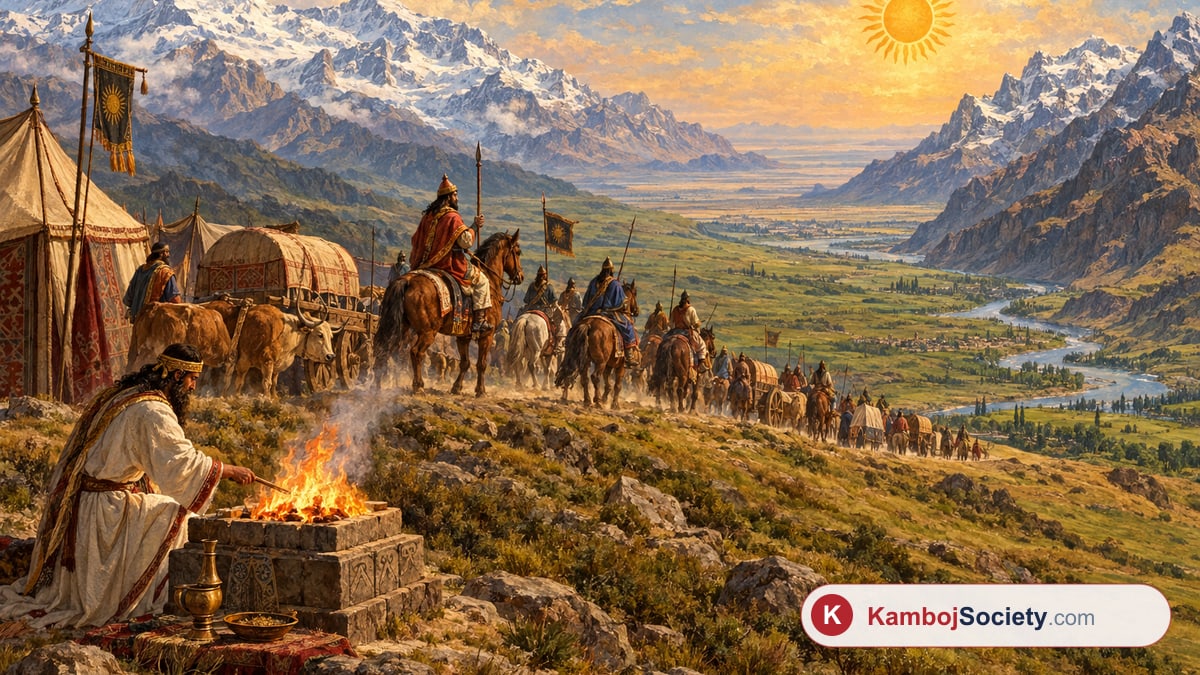
A single narrative from the Indo-Iranian Aryans to the kings of Iran and on to the Kambojas of north-west India, their migrations and the Kamboj community of today, with links to the site's articles at each step and an account of the open debates.

On 20 February 1921 a Sikh jatha entered Gurdwara Janam Asthan at Nankana Sahib and was massacred on the orders of Mahant Narain Das. Kamboj Sikhs from the Lyallpur and Sheikhupura canal colonies, led by Jathedar Bhai Tehal Singh Dhanju, were among the martyrs.
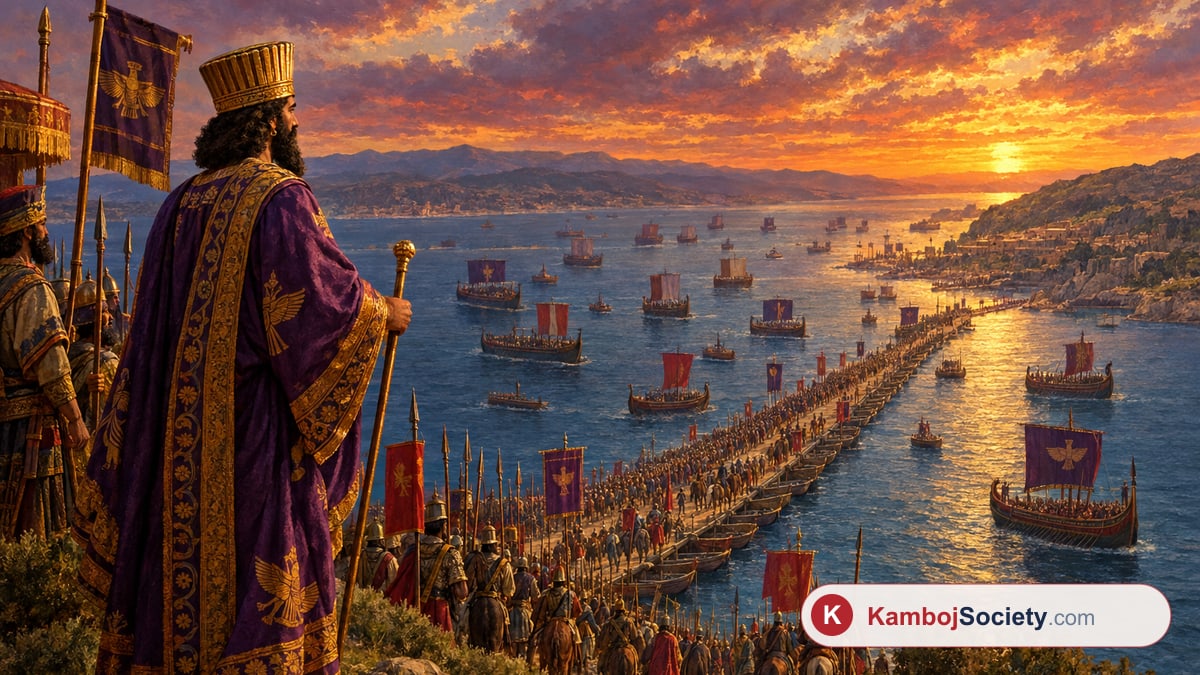
Xerxes I (Xšayāršā, 486-465 BC) inherited the empire of Darius, wrote the Daiva inscription and led the great army described by Herodotus, which included Gandarian and Indian contingents. The article sets out the evidence and the Kamboja identifications proposed by this site's authors.
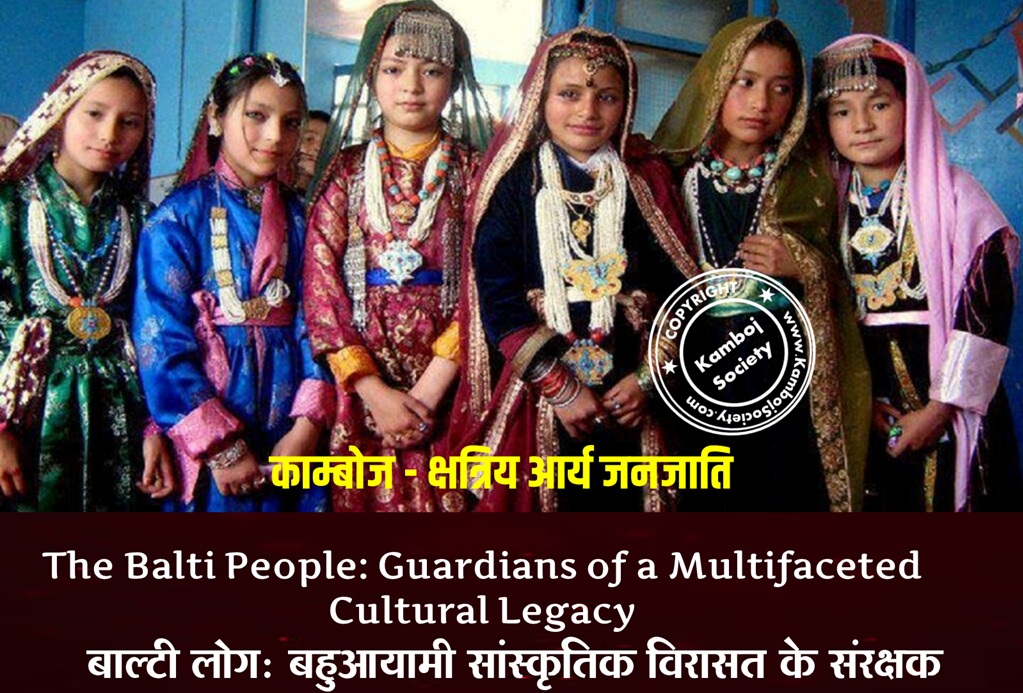
Discover the fascinating journey of the Balti people - an ancient ethnic group tracing their roots from Tibetan Buddhism to Islam, inhabiting Gilgit-Baltistan and Ladakh, with a unique cultural and li
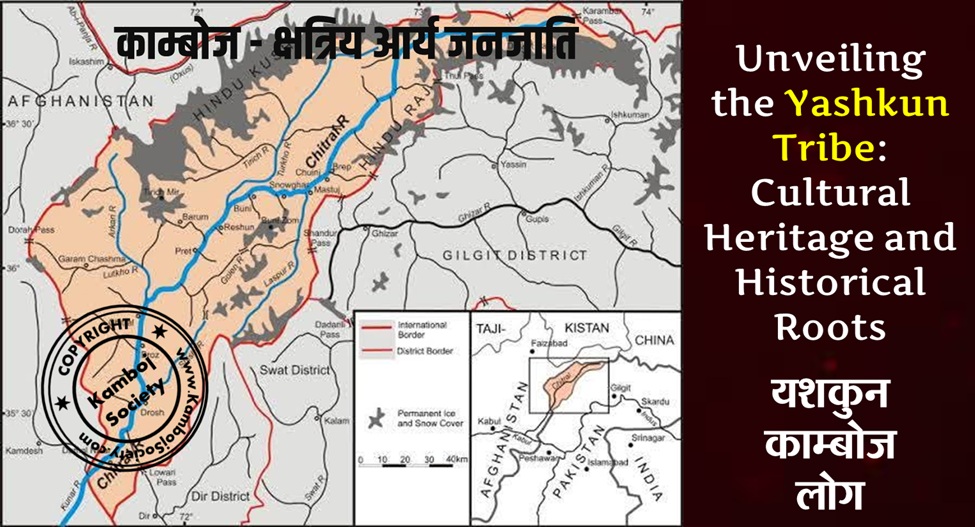
Explore the fascinating history of the Yashkun people - an ancient Dardic ethnic group from Northern Pakistan, with roots tracing back to Central Asian migrations and indigenous mountain cultures.
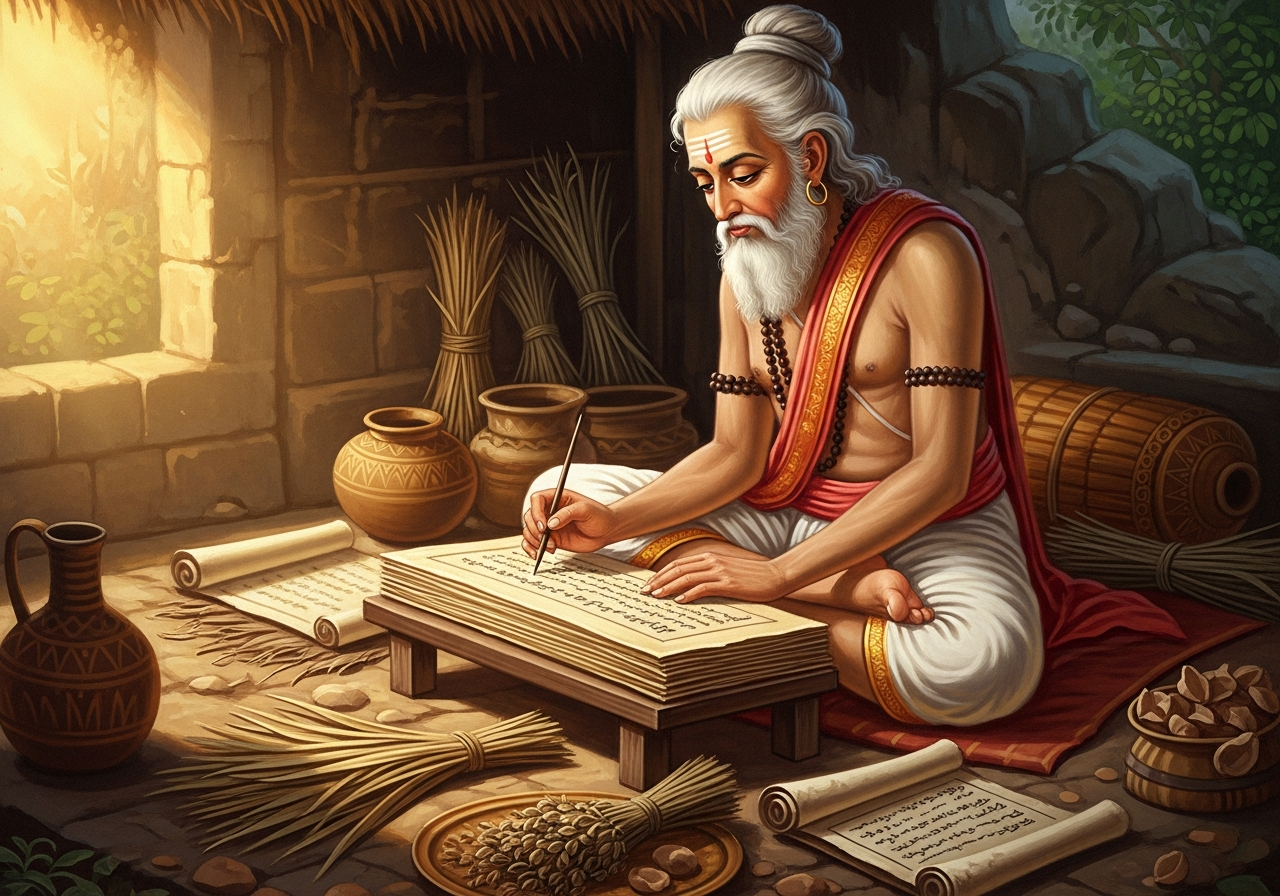
An exploration of how the modern Kamboj community maintains its cultural identity, traditions, and values while adapting to contemporary life across India, Pakistan, and the global diaspora.